Homeowners and event planners across the United States are turning the annual pumpkin carving tradition into a full‑blown horror showcase, and a new expert guide offers step‑by‑step tactics for achieving terrifyingly detailed “Boogie Man” pumpkins without professional sculpting experience.
Why choose a Boogie Man theme for your Halloween display?
Unlike generic jack‑o‑lanterns, Boogie Man pumpkins emphasize grotesque features, dramatic shadows, and narrative depth. The effect is a centerpiece that draws crowds, boosts photo‑share potential, and elevates the perceived value of a seasonal décor investment. When visitors spot a lifelike, snarling creature emerging from the vine, the experience feels immersive rather than decorative.

How can beginners replicate professional-level detail?
Start with a sturdy, medium‑size pumpkin (12–15 inches in diameter) that has a smooth, unblemished rind. Cut a wide lid and scoop out the interior with a sturdy spoon, preserving at least one inch of flesh to prevent premature softening. For fine detail, use a small, serrated paring knife or a set of pumpkin carving tools that feature interchangeable blades; these allow you to outline sinewy muscles, cracked teeth, and deep eye sockets without excessive force.
Transfer your design with a washable marker or by printing a template and adhering it with masking tape. Once the outline is set, carve shallow guiding cuts first, then deepen the most critical areas—like the mouth and eye hollows—using a Dremel‑style rotary tool equipped with a fine sanding tip. This two‑step approach mimics the workflow of professional sculptors while keeping the learning curve manageable.
Which lighting techniques amplify the Boogie Man effect?
Strategic illumination transforms a flat carving into a three‑dimensional nightmare. Position a low‑wattage LED tealight or a battery‑operated flickering lantern inside the pumpkin, allowing the light to seep through the deepest cuts. For added drama, insert a narrow strip of orange or purple LED tape along the interior rim; the glow accentuates contours without overheating the flesh.
Consider using a “shadow box” technique: place the pumpkin on a raised platform and angle a small spotlight from above at a 30‑degree angle. The resulting shadows will emphasize the carved depth, creating a moving silhouette that appears to shift as viewers pass by.
What safe, budget‑friendly materials can enhance the monster’s realism?
Household items double as effective accessories. Use cotton batting or shredded paper to simulate rotting flesh or a smoky aura around the base. A few drops of non‑toxic acrylic paint in muted greys and greens can be brushed onto the rind to suggest bruised skin before carving, reducing the amount of post‑carve touch‑up needed.
For extra texture, attach thin strips of felt or faux leather to the pumpkin’s exterior with hot‑glue dots. These materials can mimic torn clothing or a ragged cape, adding depth without compromising the pumpkin’s structural integrity.
How does the guide address cost‑benefit considerations for large‑scale events?
The guide emphasizes modular planning: carve a single “master” Boogie Man pumpkin and replicate simpler versions for secondary displays. By allocating premium tools and lighting to the centerpiece and using pre‑cut foam or carved styrofoam for supporting pieces, organizers can stretch their budget while maintaining visual impact.
Furthermore, the guide recommends re‑using the same pumpkin shell for multiple years. After the season, clean the interior with a diluted bleach solution, allow it to dry, and store it in a cool, dry place. This practice reduces waste and spreads the initial material cost over several Halloween cycles.
What are the next steps for readers ready to start carving?
Download the free checklist included in the guide to inventory tools, select a design template, and schedule a “carving night” at least two weeks before Halloween. Gather safety gear—gloves, goggles, and a stable work surface—then follow the step‑by‑step video tutorials that accompany each carving stage. By treating the project as a mini‑production, even novice creators can achieve a Boogie Man masterpiece that looks like it was crafted by a seasoned prop artist.
Peugeot Expert Start Stopp Automatik Funktioniert Nicht | Ursachen
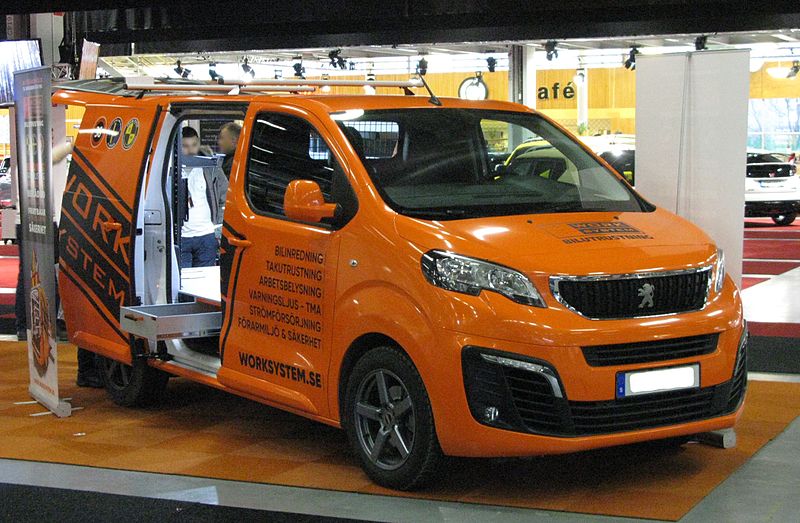
Peugeot Expert Start Stopp Automatik funktioniert nicht | Ursachen ...
ESP/ASR Lampe Im Peugeot Expert Leuchtet (Störung) | Ursachen & Kosten

ESP/ASR Lampe im Peugeot Expert leuchtet (Störung) | Ursachen & Kosten
Peugeot Expert: Rückfahrkamera Nachrüsten | Kosten | Alle Modelle

Peugeot Expert: Rückfahrkamera nachrüsten | Kosten | alle Modelle
Expert - Free Of Charge Creative Commons Lever Arch File Image

Expert - Free of Charge Creative Commons Lever arch file image